Showing posts with label Gardening. Show all posts

Monday, April 19, 2010

Garden, Garden, Who's gonna Garden?

This photo is from USU's Utah County Horticulture Page

My sister just sent me a photo of all the little plants they are going to plant in their garden! Hooray for the salsa garden! I'm going to try seeds this year. If they die, like last year, I'll just buy plants too. Here's a list of what I've got so far:
  • Basil - Sweet
  • Bell Pepper - California Wonder and Grand Bell
  • Spinach - Giant Noble
  • Mustard - Tendergreen
  • Dill - Long Island Mammoth
  • Cucumber - Marketmore and National Pickling
  • Zucchini - Dark Green
  • Tomato - Brandywine Pink, Beefsteak, Rutgers-Select, and Large Red Cherry
  • Broccoli - Calabrese
  • Cauliflower - Snowball X
  • Squash - Straightneck Early Yellow
  • Watermelon - Sugar Baby
  • Cantaloupe - Imperianl 45
  • Mystery Pumpkin (We just saved these seeds)
  • Aster
  • Larkspur
  • Zennia - Dwarf Sprite and Liliput
  • Forget-Me-Nots
  • Alyssum
For great information on gardening in Utah, check out USU's extension: Uintah County, Salt Lake County, Utah County. (If you live in a different county, click on any of the three links, find the home button in the center of the page, click on it. Enter your county in the page URL in the address bar. And voila! It's a little confusing, but it will work).

Good luck and happy gardening!!!

Wednesday, November 18, 2009

Bee Sting Remedy

I know this is the wrong time of year, for many, to worry about bee stings; but, I thought I'd include it anyway. Actually, Christina was just stung by a bee the day of our first snow - about three weeks ago.

Bee Sting Remedy: place honey on it. It's as simple as that and quite fast too!

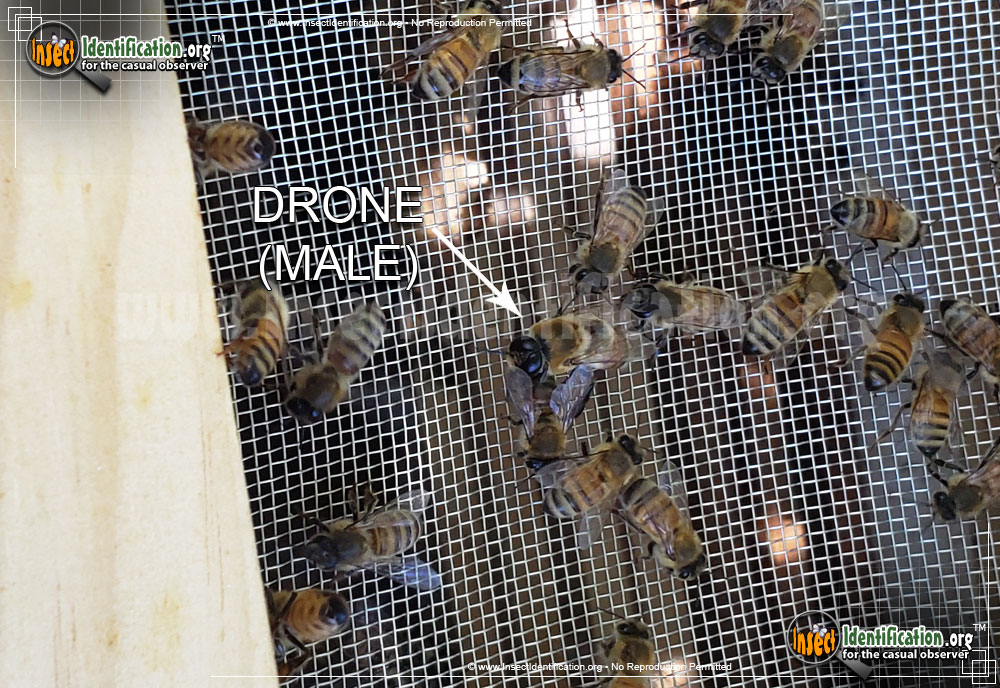
I learned there are more than 5,000 native bees in North America - this includes bumble bees. Native bees are non aggressive because they are solitary. Which means they don't live in hives like honey bees, hornets, wasps, and the like. So, they don't have anything to protect. And, if one stings you, it's not painful.

Friday, April 24, 2009

Basic Gardening

It's that time of year again...time to break out the shovels and tillers and get the garden in. Well, it's not quite time in my area but it's getting closer. Our average last frost is May 27th; and, as the bishop put it so well last night, to make up for the growing season starting late, it ends early too! Here's a list of gardening basics for what ever area you may be in.

1. Location
  • Pick a spot that is the right size for you to tend. Something that will grow what you need, but no so big that you get discouraged. This could be a flower pot, container, flower bed, side lawn, or backyard.
  • Pick a spot with plenty of sun. Most vegetables need about six hours of sun to grow and mature.
  • Pick a spot with "good soil" or plan to improve it.
  • Pick a place that has good access to water, and somewhere that you can watch and see your garden grow. Two reasons for this are: first, you will enjoy watching everything grow; and second, when you are looking at it, you will be fore likely to tend and take care of it.
2. Prepare the Soil
  • Feed the soil with compost, old sawdust, dry leaves, or grass clippings. Add mineral fertilizer - 2 pints of 21-0-0 or 1 1/2 pints of 34-0-0 in a garden 10x10 feet. If you use organic matter, use 1/2 fertilizer.
  • Cultivate the soil with a tiller or shovel. If you chose a spot where grass has been, be sure to get all the old grass out.
3. Plan Your Garden
  • Consider spacing. Think about the vegetables you plan to plant and the space that they will need.
  • Decide how much you need and can take care of. In other words, 10 zucchinin plants might be nine too many! it is always nice to share with others, but basically plant what you need and can take care of.
  • Plan the planting time.
  • Some veggies are cooler weather plants and can be planted before the last frost. These include peas, lettuce, spinach, radishes, etc...
  • Other plants need warmer soil temperature in order to do well. Potatoes, corn, tomatoes, cucumbers, beans, squash, etc. need to be planted later.
  • If you want to try to plant these tender plants earlier to get a jump on the season, be prepared to protect them during the last few frosts. This can be done with empty milk jugs, "wall of water," plastic tunnels, etc...
4. Caring for the Garden
  • Weeding. You might be lucky enough to never have to weed - but probably not. you can hand weed plants once they are big enough. Hoeing is a good method of weed elimination. You can use a rotor tiller if your rows are spaced wide enough. You can also use black plastic or ground cloth in some areas. "Round-Up" weed killer and "Amaze" granules also work, but you need to be very careful how you use them.
  • Watering. Sprinkling can work when watering the garden. It doesn't soak deeply so you might need to water more often. If plants get too tall it might be hard to reach all areas of the garden. Soaking with a soaker hose or using the furrow method is preferred. Be sure to put plants that have similar watering heeds by each other.
5. Pest Control
  • some plants are relatively safe from pests and others suffer with multiple plagues.
  • Squash bugs can kill a plant over night. You can try to pick them off and smash them or use "Seven Dust" to protect the plants. This is a season long problem.
  • Tomatoes can have tomato worms that need to be picked off and smashed when ever you see one. they can do major damage to a tomato crop.
  • Beans struggle right from the start. As soon as they peek through the ground, they are chewed by bugs. Dusting the tiny plants with "Seven" dust will allow them to get growing.